

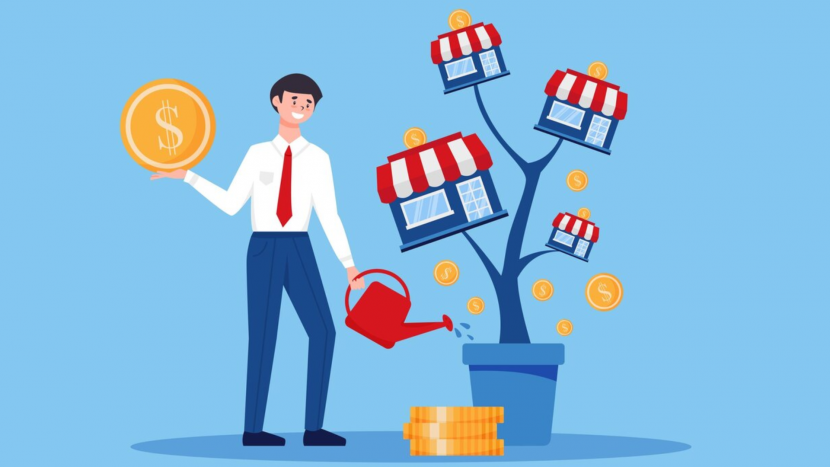
Every business owner who has built something that works eventually asks the same question.
Could this work somewhere else?
It usually comes after the third or fourth person says “you should open a branch in Pune” or “this concept would do well in Surat.” And suddenly, franchising, which always seemed like something that McDonald’s or VLCC did, not you, starts to feel like a real possibility.
Maybe it is. Maybe it is not. But the decision deserves more than enthusiasm.
India’s franchise market is genuinely one of the most exciting opportunities for Indian business owners right now. ₹80,000 Cr industry, growing at 30–35% annually, with nearly half of all new franchise openings happening outside the metros. The timing has never been better. The Tier 2 and 3 city consumer is ready. The new generation of franchisees, professionals who want to own something but not build it from scratch, is actively looking for good brands to operate.
But here is what those numbers do not tell you: the franchise model only works if what you are franchising is actually ready to be franchised. And most businesses, if they are honest, are not there yet.
This is not a reason to stop reading. It is a reason to read carefully.
The Market Is Real. The Opportunity Is Genuine.
Let us start with why the timing is actually good, because it is, and the data is worth knowing.
India has over 4,600 active franchise brands today, with roughly 300 new ones launching every year. The franchise market is projected to reach USD 150 billion in revenue by 2028, up from around USD 50 billion today. And the story of where growth is happening has changed dramatically compared to five years ago.
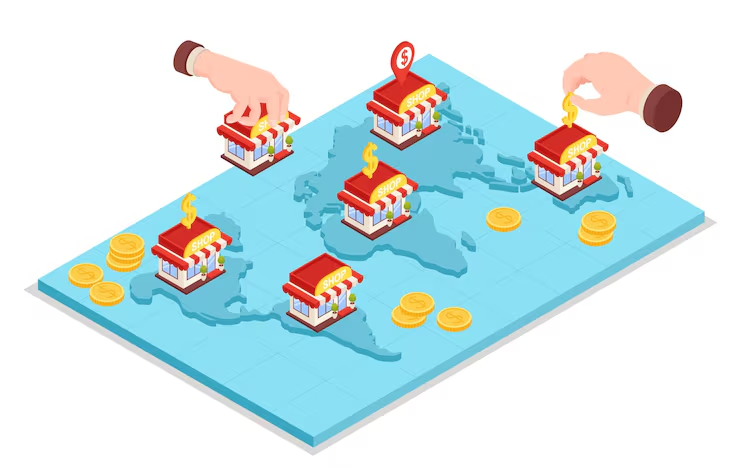
It is no longer just Mumbai, Delhi, and Bengaluru. In 2024, nearly 50% of all franchise expansions took place in Tier 2, 3, and 4 cities. Cities like Indore, Coimbatore, Lucknow, Rajkot, and Bhopal are now home to successful franchise operations that would have seemed premature a decade ago. Rising incomes, better infrastructure, aspirational consumers, and a severe shortage of established brands in these markets have created a window that smart franchisors are walking through right now.
The sectors driving the most growth in 2026 are not surprising if you look at where Indian consumer spending is heading. Food and beverage, especially quick service and cloud kitchen formats. Education and coaching, where preschool franchises alone are growing at a 19% annual rate. Healthcare and diagnostics, in a sector expanding at 22% annually. Beauty and wellness, with men’s grooming growing at 19% per year through 2030. And a fast-emerging category of technology-integrated service brands, think digital services, fintech distribution, and ed-tech, that are building asset-light franchise models specifically designed for smaller cities.
So the opportunity is real. The question is whether your business is the right vehicle for it.
The Thing Nobody Tells You Before You Franchise
Most franchise consultants will take your money and tell you that franchising is a great idea. What they will not always tell you is that franchising a business that is not ready is one of the most effective ways to damage a brand you spent years building.
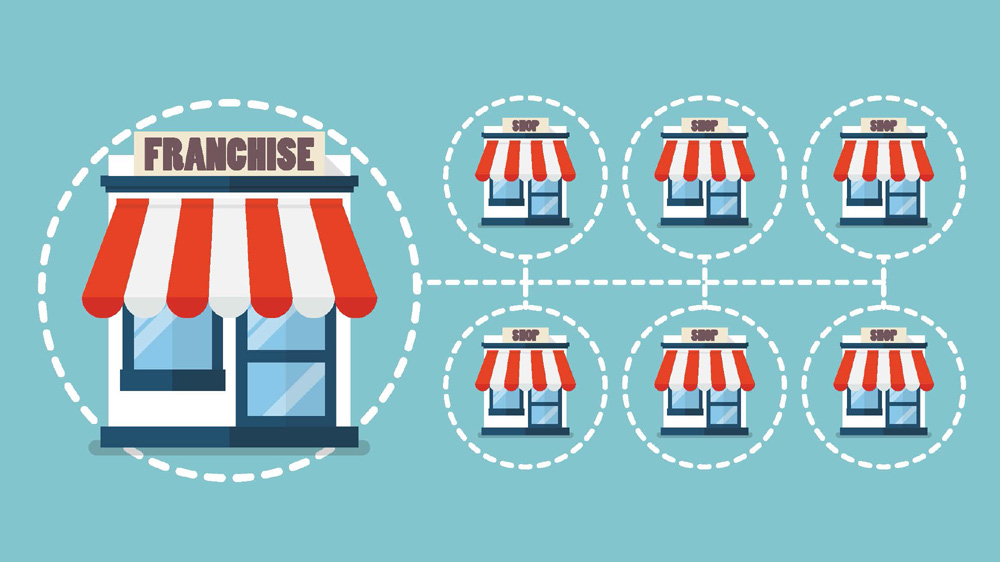
Here is the brutal truth about what franchising actually requires.
Your business needs to be able to run without you. Not just occasionally, not just when you are on a short holiday, properly, consistently, day after day, with a manager in charge. If you are still the person who knows where the key supplier’s contact is saved, still the one your staff calls when something goes wrong, still the reason your best customers keep coming back, your business is not franchisable yet. You cannot duplicate yourself. You can only duplicate a system. And right now, your business is not a system. It is you.
“The business owners who succeed at franchising are not the ones who moved the fastest. They are the ones who built the system so thoroughly that they became almost unnecessary to the daily operation.”
Beyond that, your business needs to have been genuinely profitable, not just busy, not just growing, but actually producing clean, consistent profit, for at least two to three consecutive years. One good year is a story. Three good years is a model. Franchisees are investing their savings into your model. They deserve the evidence that it actually works over time, not just in the best year you ever had.
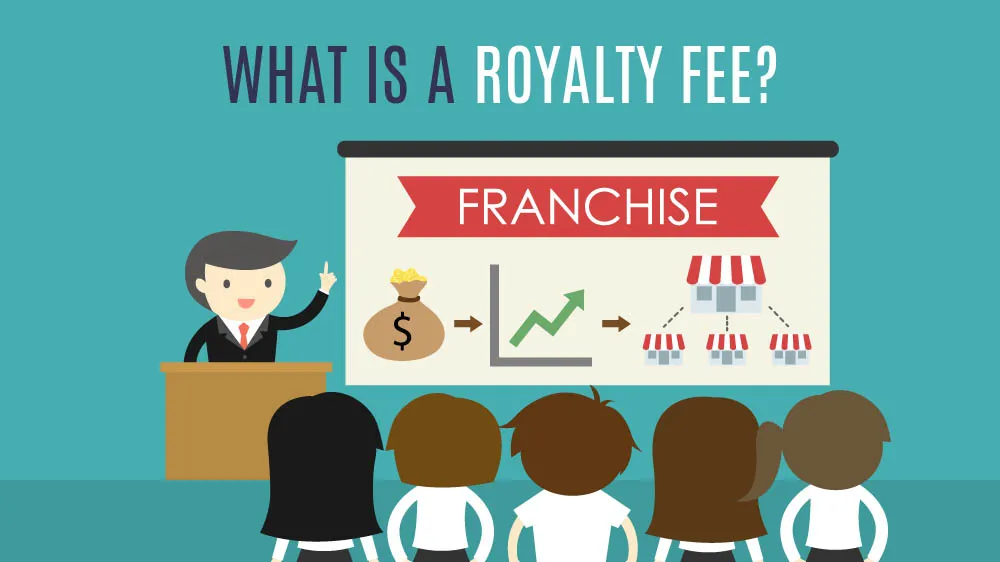
And the margins need to support two people. You will charge a royalty, typically somewhere between 4% and 10% of franchisee revenue per month. After paying that royalty, your franchisee still needs to earn a decent living from the business. If the margins in your current model are thin, there may simply not be enough room for both of you to win. That is a problem to solve before you sell a single franchise, not after.
There is also the documentation question. Can someone open and run a version of your business using a manual you have written, without calling you once a week for guidance? If the answer is no, the operations manual does not exist yet, and without it, your first franchisee becomes a full-time support project that pulls you away from your own business.
Franchising Your Business vs. Buying a Franchise, They Are Not the Same Decision
A quick but important clarification, because these two things get mixed up constantly.
If you are reading this as a business owner thinking about growth, you are considering becoming a franchisor, the person who licenses your brand and system to others who pay you fees and royalties to run their own version of it.
If you are reading this as someone looking to start or invest in a business, you might be thinking about becoming a franchisee, the person who buys the right to operate under an established brand.
Both are legitimate. But they are completely different decisions with different capital requirements, different risks, and different skill sets. This guide is focused on the first path, franchising your own business as a growth strategy. If you are looking to buy into an existing franchise, you can browse verified opportunities on IndiaBizForSale directly.
Is Your Business Ready? An Honest Check.
Forget the consultant’s pitch for a moment. Ask yourself these questions honestly.

Could your business operate for six months without you making a single operational decision? Not without you making strategic decisions, without you in the daily operations. If the answer is no, you are not ready to add more locations to manage.
Have you written down exactly how everything is done? Not in your head, not in WhatsApp messages, not in a rough spreadsheet, properly documented, step by step, in a format that a new person could follow without asking you anything. If this document does not exist, your franchise training programme cannot exist either.
Do customers come back because of your brand, or because of you personally? There is a meaningful difference. A business where customers are loyal to the brand, the product, or the experience can be replicated. A business where they come back because they know and trust you personally is much harder to hand off to a stranger in Nagpur.
Does a franchisee make money after paying your royalty? Work it out on paper. Take your current unit economics, subtract a 6–8% royalty from the top line, and see what the franchisee’s monthly net looks like. If it is not a number a reasonable person would run a business for, the model needs work before franchising makes sense.
Do you have the time and team to support franchisees? Your first five franchisees will need significant hand-holding. That is normal. But it takes real time from real people in your organisation. If you are already stretched thin running your existing operation, adding franchisee support on top of it is a recipe for doing both things badly.
The honest rule of thumb
If you can answer yes to at least four of these five questions, you are probably close to ready. If you answered no to three or more, the most valuable thing you can do right now is build the foundation, systems, documentation, a reliable management team, and come back to franchising in 12 to 18 months. The market will still be there. And you will be in a much stronger position to take advantage of it.
What It Actually Costs to Set Up a Franchise System
Nobody gives you the honest number upfront. Here it is.
To properly build a franchise system in India, not a rough one, not one that will fall apart after the third franchisee, you are typically looking at ₹10 lakhs to ₹40 lakhs in upfront investment before you sell your first franchise. This covers the legal work (franchise agreement, trademark registration, disclosure documents), the operations manual, the training programme, and ideally running one pilot location in a new geography to prove the model replicates.
Legal documentation alone, done properly by a lawyer who understands franchise law, runs ₹1.5 to ₹5 lakhs. The operations manual, if you are building it from scratch, takes weeks of your time or a consultant’s fee. The pilot location costs whatever your normal setup costs, in a city where you currently have no presence.
This investment is recoverable. Your first three or four franchise fees will likely cover it. But it must be planned for, because the businesses that go into franchising underprepared, without proper documentation or legal protection, tend to end up in disputes that cost far more than the preparation would have.
Finding the Right Franchisees, This Part Is More Important Than People Think
Your first five franchisees will define what your franchise network looks like for the next five years. Choose badly, and you will spend the next two years managing failing locations, dealing with brand damage, and cleaning up situations in cities you cannot easily visit.
The best franchisees are not necessarily the ones with the most money. They are the ones with local market knowledge, operational discipline, and genuine belief in what you have built. They treat the franchise like a business they own, because they do, not like a job they can walk away from if things get difficult.
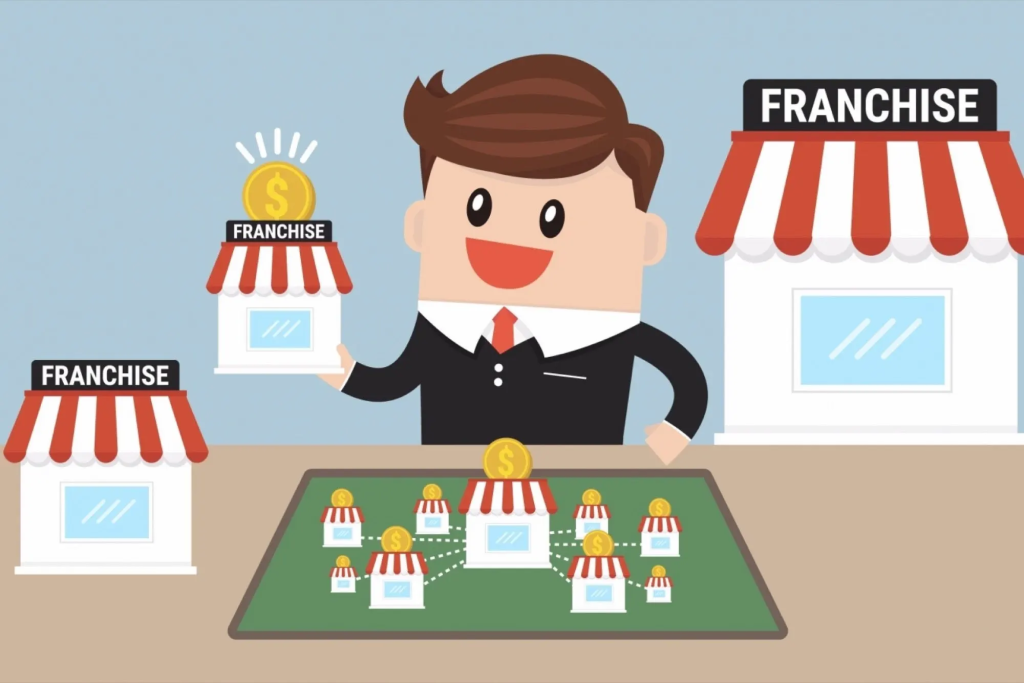
Screening for this matters far more than most franchisors admit. When evaluating candidates, look past the bank statement and ask: have they run a business or a team before? Do they understand the local market in the city they want to open in? Are they planning to be operationally involved, or are they expecting to hire a manager and check in occasionally? The latter rarely works in the first three years.
You can reach a broad pool of serious, pre-qualified franchise seekers by listing your franchise opportunity on IndiaBizForSale, where 45,000+ active buyers and investors are actively looking for their next business.
Franchising Is Not the Only Answer
It is worth saying this clearly, because the franchise industry tends to present itself as the only way to grow.
For some businesses, acquiring an existing business in a new city is faster, cheaper, and less complex than building a franchise network. You get an existing customer base, an existing team, and an existing location, instead of starting from scratch with a new franchisee who is learning everything for the first time.

For others, a distribution or dealer network achieves the same geographic reach without the support obligations that come with franchising. Or an equity partnership, where you bring in a co-investor to fund expansion in return for a stake, rather than franchisees who pay royalties.
The right growth path depends on your business model, your capital position, and honestly, how much you enjoy managing people who are not your own employees. Franchising is a relationship-heavy model. You are not just licensing a brand, you are responsible, in a real sense, for the success of every person operating under your name. That is rewarding when it works. It is exhausting when it does not.
You can explore all of these options, franchising, acquisition, investment, and partnership, through IndiaBizForSale’s platform.
If You Are Ready, Here Is How to Start
Assuming you have done the honest check and the answer is yes, the model is proven, the systems exist, the margins work, here is the practical order of operations.
Start with the legal foundation. Register your trademarks before you do anything else. A franchise without registered IP is a house built on sand. Then get a proper franchise agreement drafted, not a template downloaded from the internet, but a document written by someone who understands Indian franchise law and the specific structure of your business.
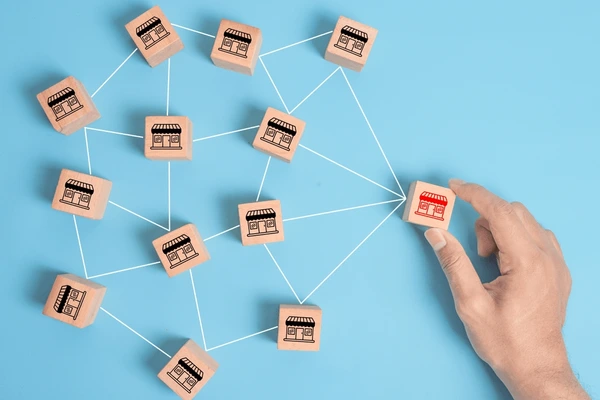
Build the operations manual in parallel. This is the document your franchisees will live by. It needs to cover everything, daily opening and closing procedures, supplier contacts, customer service standards, quality checklists, staff training guides, and what to do when things go wrong. The more thorough it is, the fewer calls you will receive at 9pm asking basic questions.
Run a pilot in a new location before selling franchises. One company-owned location in a new city, operated by a manager rather than you, is the most valuable piece of proof you can show a prospective franchisee. It tells them, and tells you, whether the model actually replicates when you are not there.
Then find your first franchisees carefully. Take your time with the first three. Treat them as partners in building something, not just customers buying a licence. Their success is your marketing for every franchisee who comes after them.
And do not scale until the first three are genuinely working. The temptation to keep selling franchises while the support system is still being built is the most common mistake in Indian franchising. Growth that outruns infrastructure is not growth, it is a problem arriving in slow motion.
The Bottom Line
India’s franchise market in 2026 is a real opportunity. The data is solid, the consumer demand in smaller cities is genuine, and the new generation of franchisees is better qualified and more serious than any generation before them.
But franchising is not a growth strategy for a business that is not ready. It is a multiplier. It makes what already works, work in more places. If what you have built is genuinely strong, documented, profitable, replicable, and running without you at the centre of every decision, then franchising can take it somewhere real.
If it is not there yet, that is fine. Most businesses are not. The work of getting there is not glamorous. It involves writing manuals, training managers, stepping back from daily decisions, and accepting that the business needs to be bigger than you before it can grow beyond you.
That work is worth doing. And the market will still be waiting when it is done.
Frequently Asked Questions
Is franchising a good business model in India in 2026?
Yes, India’s franchise industry is valued at approximately ₹80,000 crore and growing at 30–35% per annum. But franchising only works if the underlying business is already proven, replicable, and not dependent on the founder personally. A good market does not guarantee a good franchise, the business has to be ready first.
How much does it cost to franchise a business in India?
Setting up a proper franchise system typically costs ₹10 lakhs to ₹40 lakhs, covering legal documentation, operations manual, training programme, and a pilot location. This is before selling a single franchise. Franchise fees charged to franchisees range from ₹2 lakhs for small service businesses to ₹50 lakhs for established brands. Monthly royalties typically run 4–10% of franchisee revenue.
What makes a business ready to franchise in India?
A business is ready to franchise when it has been profitable for 2–3 consecutive years, can operate without the founder’s daily involvement, has documented processes and systems, has a brand customers recognise and trust, and has sufficient margin for a franchisee to be profitable after paying royalties. If the business cannot run without you, it is not ready to franchise yet.
What are the fastest-growing franchise sectors in India in 2026?
Food and beverage remains the largest segment. Education and coaching is growing at 19% CAGR. Healthcare and diagnostics at 22% annually. Beauty and wellness at 19% CAGR. Technology-integrated service brands are the fastest-emerging category, expanding into Tier 2 and 3 cities through asset-light models.
What is the biggest mistake Indian franchisors make?
Selling too many franchises too fast, before having the support infrastructure to service them. The second most common mistake is choosing franchisees based on who has the money rather than who has the right fit and operational discipline. A wrong franchisee in a new city can damage years of brand-building.
Should I franchise my business or look at other growth options?
Franchising is one of several growth paths. For some businesses, acquiring a competitor in a new geography is faster and less complex. For others, a distribution or dealer network achieves the same reach without the support obligations. The right path depends on your model, capital, and appetite for managing franchisee relationships long-term.
Bhavin Bhagat
Co-Founder & CEO, IndiaBizForSale & IBGrid · 13 Years in SME M&A · 1,000+ Deals Facilitated
Co-founded IndiaBizForSale in 2013 and IBGrid in 2016 – the two most active SME transaction platforms in India. Ex-President of TiE Ahmedabad and Executive Committee Member, AIC-LMCP Foundation. Spent 15+ years in pharmaceuticals across the UK and India before dedicating the last decade to SME investment banking. IBGrid targets M&A and fundraising closure in 120 days.